Start with task geometry and floor conditions
- Can the machine sit directly under the work with straight‑up reach? A scissor lift fits vertical, in‑place access where the platform works near square to the task.
- Measure platform height needed, then check indoor ceiling obstructions, sprinklers, or ductwork.
- Confirm floor rating and doorway widths. Interior slab lifts need smooth surfaces; outdoor units need ground clearance and traction.
Why Mobile’s environment changes the choice
High humidity and salt‑laden air accelerate corrosion on exposed pins, rails, and battery trays. For longer rentals or coastal jobs, prioritize lifts with protected electrics, sealed connectors, and recent service history. Frequent rain also narrows windows for exterior work; outdoor units with non‑marking rough‑terrain tires and effective water‑resistant controls keep projects on schedule.
Narrow the category by platform height and footprint
- Electric slab scissor lifts: compact footprints for aisles and mezzanines; typical working ranges for inventory counts, lighting, and MEP work. See indoor options at /electric-scissor-lift-rental/.
- Rough‑terrain scissor lifts: wider stance, higher ground clearance, and outdoor ratings for unfinished sites and port‑side maintenance. Compare models at /rough-terrain-scissor-lift-rental/.
Common Mobile use cases
- Climate‑controlled industrial sites where cleanliness and slab protection matter
- High‑bay warehouse maintenance and racking changes near the coast
- Outdoor infrastructure punch lists between rain events
When a scissor isn’t the right fit
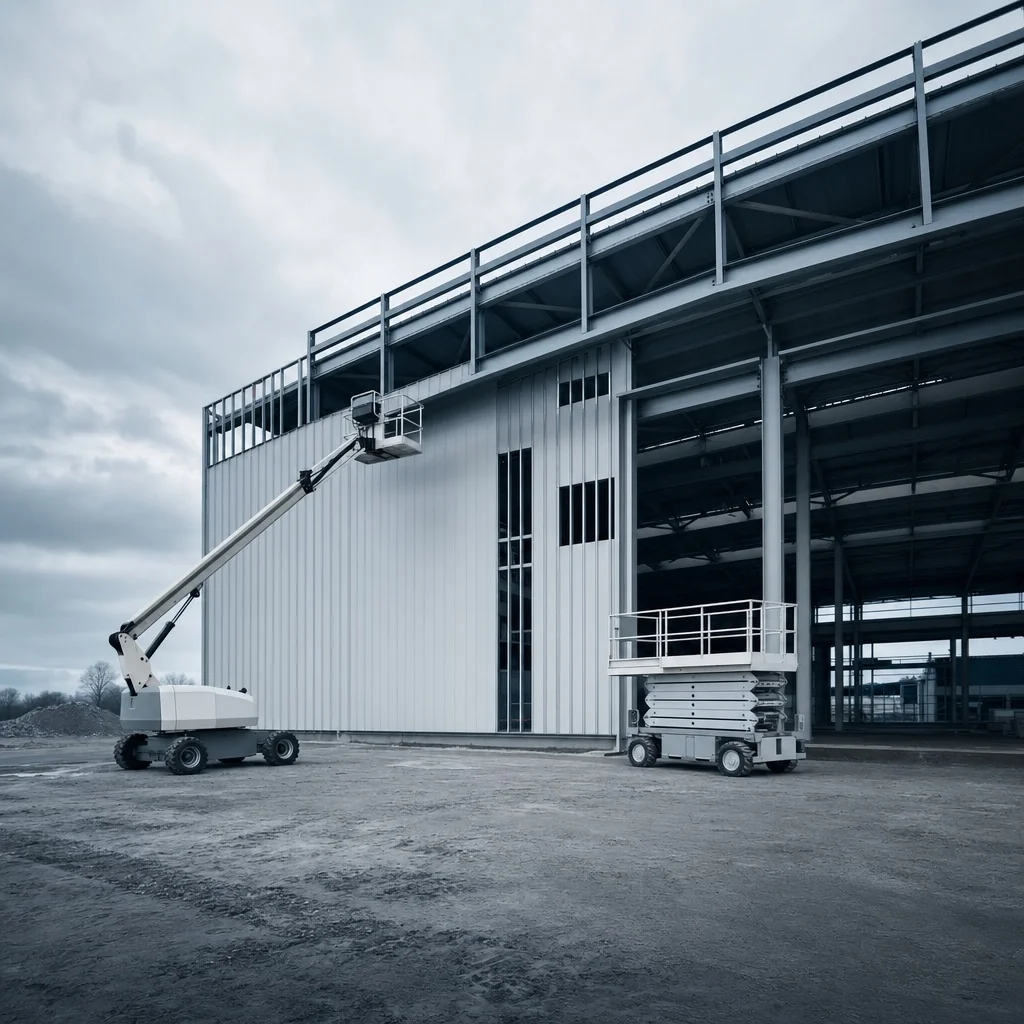
If the task sits offset from the base or must reach over obstacles, a boom may be more efficient. Review alternatives at /aerial-lift-rental/ or go directly to /boom-lift-rental/ for articulating and telescopic options.
Planning checklist for local jobs
- Clearance: doorways, freight elevators, and turning radii
- Surface: wet floors, drainage grates, or sandy aggregate near the bay
- Power: charging access for electrics; noise sensitivity for indoor areas
- Weather: wind exposure on open pads; site procedures and the unit’s manual govern any elevated work