Start with load, height, and reach
- Confirm the heaviest load and its center of gravity.
- Note the maximum placement height and how far forward from the front tires you must set it.
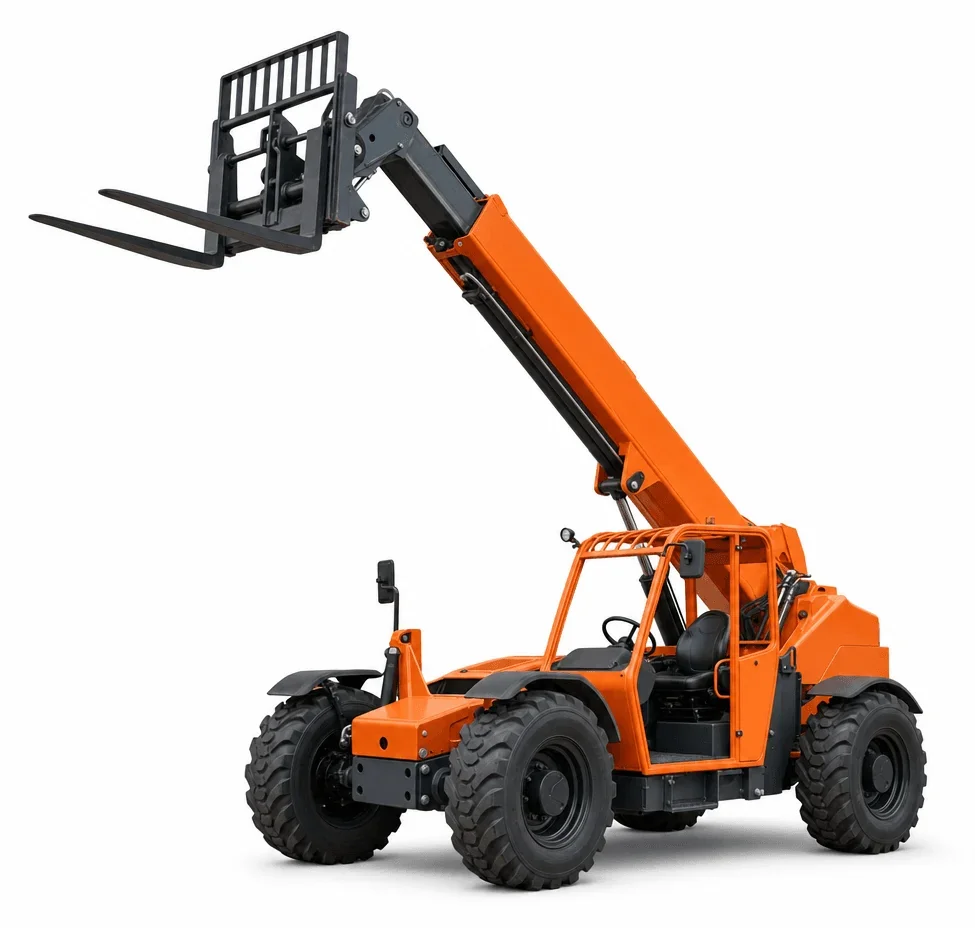
- Use the machine’s load chart to understand how capacity drops as the boom elevates and extends.
Surfaces around Mobile jobsites
Exterior lots near logistics operations may be uneven or saturated after heavy rain. Rough-terrain telehandlers handle ruts and soft spots better than warehouse forklifts but still rely on ground stability and slope limits. For smooth slab inside local distribution buildings, consider /forklift-rental/.
Forks, carriage, and visibility constraints
Long palletized loads or bundled materials may limit visibility when maneuvering through narrow gates or around staging. Plan your route from offload to set point, including turn radii, overhead clearances, and any temporary fencing from /temporary-fencing-barricades-rental/.
Coastal climate considerations
Salt-laden air increases maintenance needs on exposed hydraulic components and electrical connections during longer rentals. Machines used near the waterfront benefit from corrosion-resistant finishes and attentive inspection intervals to keep boom and steering functions consistent.
Pairing equipment for throughput
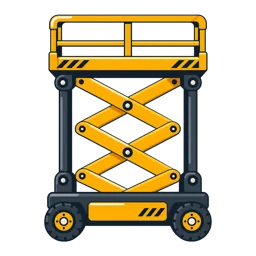
A telehandler often feeds installers working from platforms. Coordinate with /rough-terrain-scissor-lift-rental/ or /telescopic-boom-lift-rental/ if materials must be staged at elevation, and plan temporary storage with /storage-containers-rental/ when weather shifts are likely.