Define the work geometry first
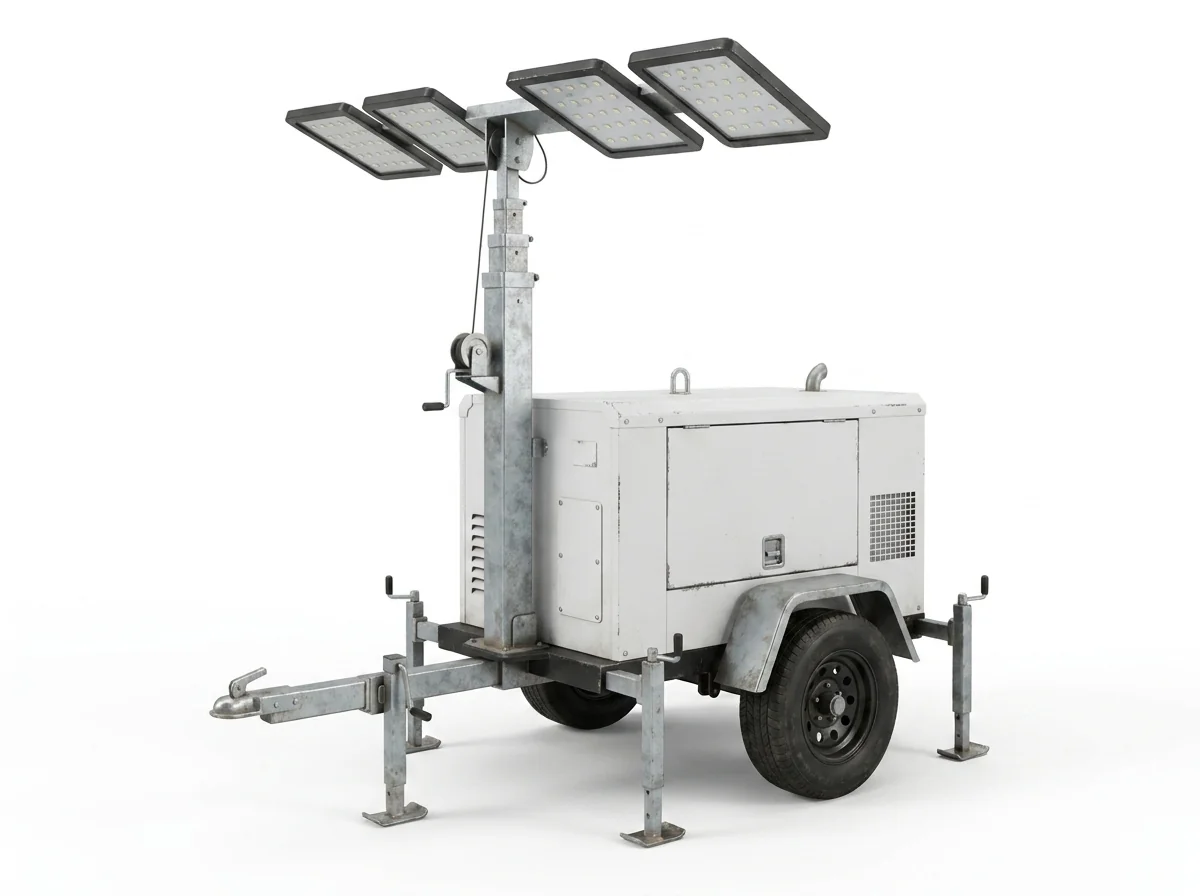
- Can the generator or light tower sit below or outside the active work zone without blocking lifts or truck lanes?
- What distance do cords or temporary cabling need to span, and how many crossings with vehicle traffic are expected?
- For lighting, what vertical and horizontal throw is required in open yards versus narrow aisleways?
High-bay interiors in local distribution buildings typically favor quiet, indoor-appropriate power with minimal exhaust impact and spill-resistant fueling. Outdoor staging near industrial sites may require higher mast heights and broader beam patterns to reduce shadowing across stacked materials.
Coastal conditions that change the plan
Mobile’s humid, salt-heavy air increases corrosion risk on frames, connectors, and mast hardware over time. Frequent rain means enclosures, grounding points, and cable routing need to account for standing water and soft ground. On windier days near the shoreline, stabilized tower bases and appropriate setback from traffic or crane paths matter to keep equipment out of loading arcs.
Access route and surface
- Route width and grade: confirm whether a pickup can tow a light tower through the site or if a skid unit must be placed by a telehandler or forklift. See /telehandler-rental/ and /forklift-rental/ for placement planning.
- Surface type: compacted gravel, asphalt, and concrete each affect leveling and site-stability planning approaches. Saturated soils after heavy rain can limit where a tower can safely stand.
- Clearance: masts must clear overhead lines and building eaves during raising and lowering. Indoor units need room to service filters and panels without moving the set daily.
Power and lighting requirements
- Load profile: steady industrial loads favor units sized for continuous draw with headroom for startup surges.
- Distribution: longer cable runs in large facilities increase voltage drop; closer placement may reduce cord lengths but raise traffic conflicts.
- Light quality: task work in assembly or inspection areas often benefits from more focused, glare-controlled fixtures, while yard security and staging need wide, even coverage.
Related access planning
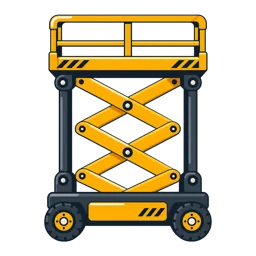
If lighting is for elevated installation or fixture replacement, compare lift types by floor and weather: - Indoor slab work: /electric-scissor-lift-rental/ and /vertical-mast-lift-rental/ - Exterior or uneven ground: /rough-terrain-scissor-lift-rental/ and /boom-lift-rental/
Actual site conditions, equipment instructions, and site procedures govern placement and operation, especially during tropical weather or fast-moving storms.