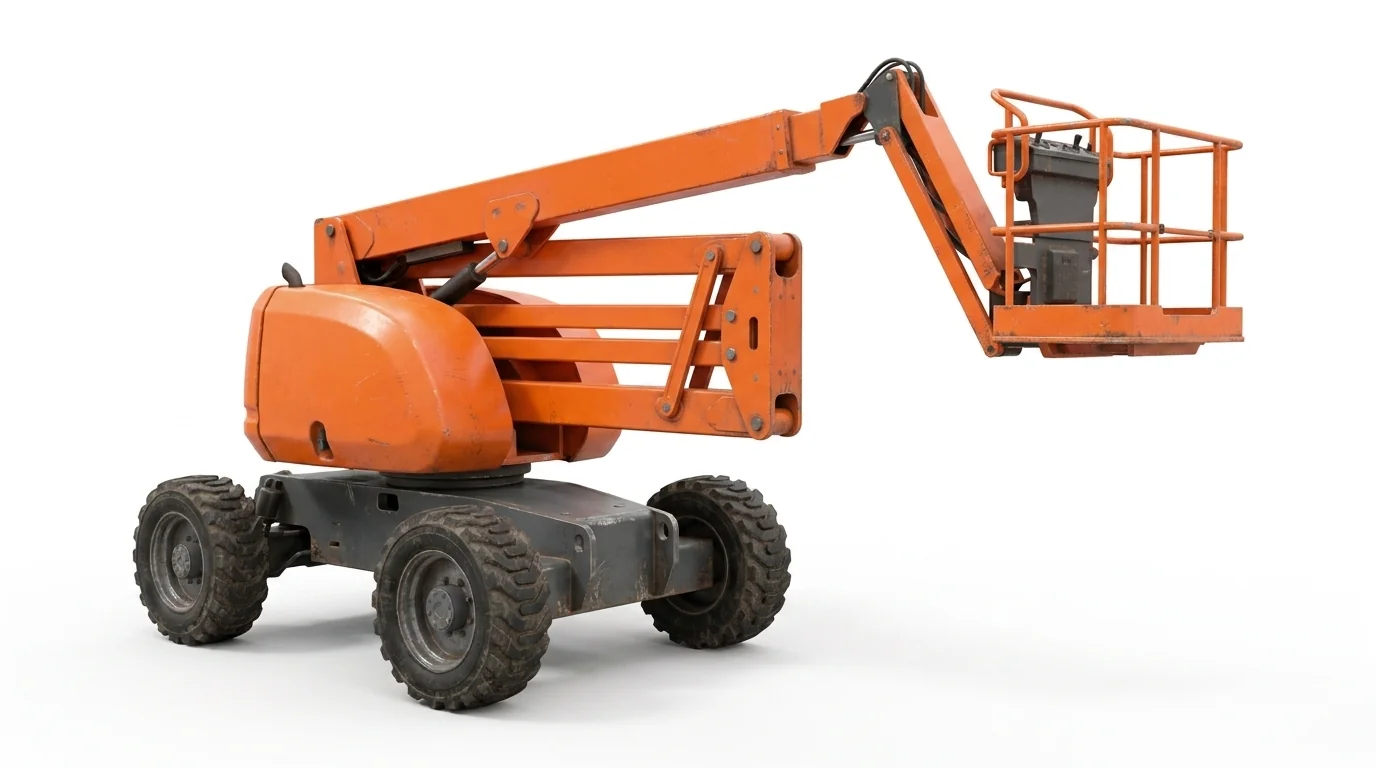
Deciding if a straight boom is the right tool
Start with two measurements: horizontal distance from the safe machine position to the work, and the highest required working point. If both align with a clear, straight path—and you have room to swing the boom—telescopic makes sense. When obstacles block the line, consider /articulating-boom-lift-rental/ instead.
Local outdoor conditions
- Wind exposure near open yards and waterfront areas can be significant. Work practices, the machine’s published limits, and site procedures govern operation at height.
- Surfaces around logistics sites range from compacted aggregate to deteriorated concrete. Confirm ground bearing capacity and slope tolerance for the selected model.
- Salt air during multi-week rentals increases the need for protective finishes and vigilant inspection of exposed cylinders, pins, and electrical components.
Platform capacity and tool loads
Exterior repair and install tasks often bring heavier tools and materials. Check platform capacity and tie-off points in the unit’s documentation, and plan for the combined weight of people and gear. Longer reaches typically reduce allowable platform load.
Access and transport on site
A straight boom’s chassis and tail swing require wider turns than scissors or vertical masts. Measure gate widths, turning radii, and any overhead lines along the route from delivery point to work zone. Where access is restricted or work is clustered indoors, see /vertical-mast-lift-rental/ or /electric-scissor-lift-rental/.
Complementary equipment
Night work at industrial sites often pairs with /generators-light-towers-rental/ for illumination and power. Material staging near the lift may need /telehandler-rental/ or /forklift-rental/ depending on surface and load.